Carlee Davis
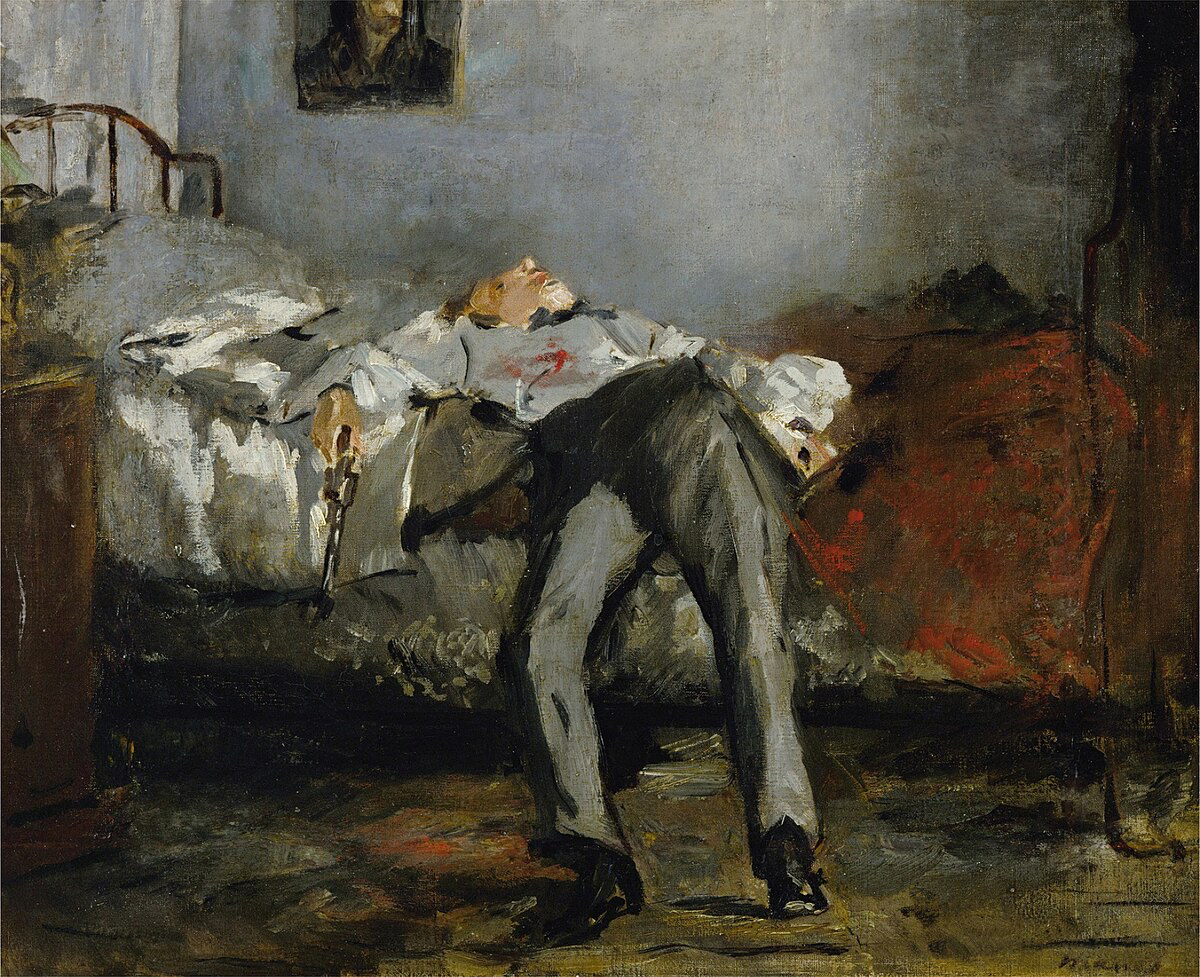
According to the National Institutes of Health they report around 57.8% adults suffer with some form of mental health disorder. Studies have found that 1 out of 4 people worldwide suffer from mental health issues/disorders. A study that was done in 2019 showed that 970 million people suffer from depression, anxiety or mental disorders but depression and anxiety being most common (World Health Organization). Just between the years 1990-2017 over 16 million suicides just in the United States occurred (University of Colorado Boulder). Mental illness and suicide has been a constant an uprising illness within people all around the world.
What causes these mental illnesses? There are multiple and different varieties of ways people can gain these mental illnesses, however studies have grouped them into 3 categories. Biology happens to be one of these factors. Genetics and family history may be a cause of mental illness. It’s also possible that exposure to alcohol or drugs in the womb was a factor if parents were not responsible while carrying a child. Another category is Psychology. As humans know, stressful events, like a traumatic experience, in a person’s life can alter their psychology and lead to a mental illness. The last category that was provided was the Social aspect. Social factors like a person’s home environment, community, relationships, employment status and more can affect a person’s mental health (National Institutions of Health). However there could be multiple other reasons such as post traumatic distress, race, religion, gender or other traumatizing events, it could also just be something that you do not quite understand but you still have to carry the baggage around.
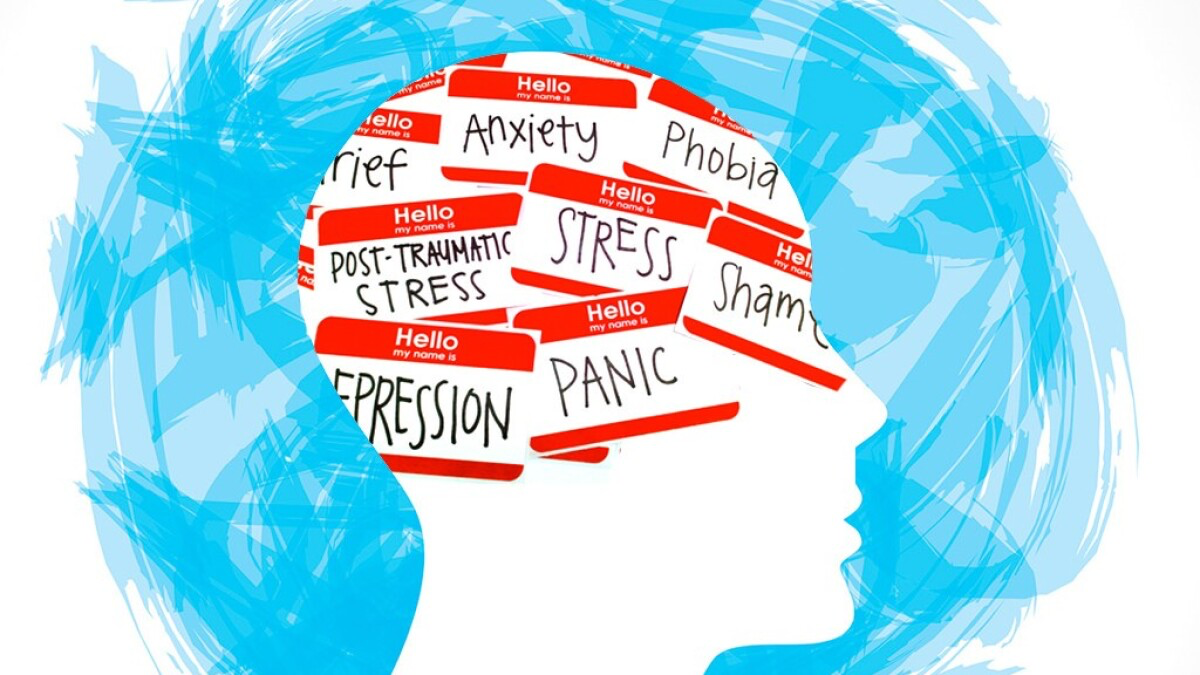
Some rates from the past years show that these percentages of adults suffer from anxiety disorder, 19.1%, major depression, 8.3%, PTSD, 3.6%, bipolar disorder, 2.8%, borderline personality disorder, 1.4%, and binge eating disorders, 1.2%. They also showed that people from the ages 18-2, 33.7% suffered from a mental illness. Ages 26-49 suffered a 28.1% from mental illnesses and 50 and older show a percentage of 15% (National Institute of Health). After the world of battling COVID-19 the rates have greatly increased in youths from the ages 12-17 69.1% of youths suffered and 45.2% of adults were harmed by mental illnesses. Unfortunately suicide has become the fourth leading cause of death for girls and young women. Men are 4x more likely to community suicide compared to woman (CU Boulder). The world is desperate for more mental health workers due to this steady climbing rise of mental health needs.

Throughout researching the top reasons so many people suffer from these mental illnesses are child abuse, social media, discrimination, racism, social disadvantages and poverty (Health). Fighting with mental illnesses drains people and causes them to act in different ways. Because of this many find it hard to reach out for help. People feel embarrassed for how they feel and would rather be silent and lonely and speak out. Around 70% of people do not seek help. Why is this? 4 out of 10 Americans cannot access mental health care due to location or financial troubles. A recent survey shows 42 percent of U.S. adults who needed care in the previous 12 months did not receive it because of costs and other barriers. Even more concerning is the amount of time it takes for people to get treated once their symptoms begin. On average, the delay from the onset of mental health symptoms to treatment is reportedly 11 years (MHPSS). Accessing therapy or mental health care costs so much money, and yes, the therapists worked for their degrees and should be getting paid well, however is money more important than each individual who cannot afford this? An average therapist charges $130-$200 per session and if prescribed with meds can easily cost hundreds and hundreds of dollars (Health). It implies if you do not have enough money you cannot receive treatment. If you have the money you will be treated. “The Fourteenth Amendment’s Equal Protection Clause requires states to practice equal protection. Equal protection forces a state to govern impartially—not draw distinctions between individuals solely on differences that are irrelevant to a legitimate governmental objective (Cornell Law). This law does not only apply to men and women in the workplace, race, gender, religion, it also applies to people in poverty. Humans are humans.

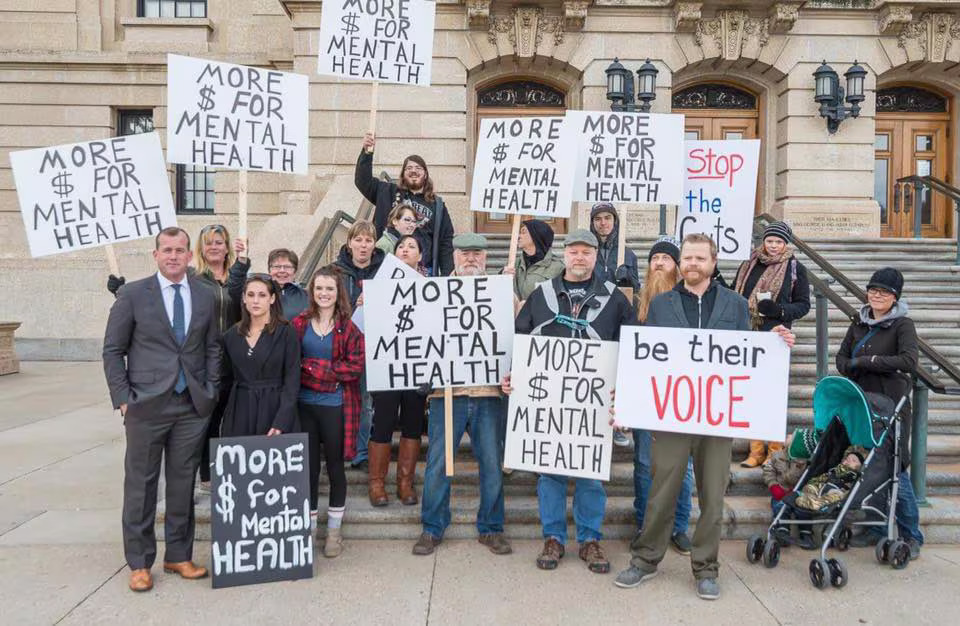
If you lived or worked in the United States in 2023, your tax contributions are likely part of the $4.44 trillion collected in revenue. The Fiscal Year 2025 President’s Budget includes $8.1 billion for the Substance Abuse and Mental Health Services Administration. 8.1 billion dollars is obviously a lot of money, but when you compare it to 4.44 trillion dollars it really doesn’t seem much. The percentage of 8.1 billion dollars and 4.4 trillion dollars is only 0.00184090909 U.S. dollars (SAMHSA). If the government has spare money, or giving one section more than needed, they should be able to use that for the overlooked issues such as mental health care. Over the years, more and more advocates for mental health have come forward and showed their passion not only to help humans heal, but to expose how some people are misusing their power and status to mistreat patients. The more people speak out and the more people protest for these rights, the harder it will be to ignore the issue. Protests can be done in a non-violent and respectful manner, however still advocating the issue and raising attention to the issue. Do protests work? Yes, but not because people are marching in the streets. Protests work because they direct attention toward an injustice and can change people’s minds or bring light to the issue that has been in the dark and overlooked. Protests allow a slow but profoundly powerful process/message (The Atlantic). America needs to do better. America needs to do better not only for the sake of their people, but for uprising issues that are taking millions of lives. How many more will it take?
References
Equal protection. (n.d.). Cornell Law School. Retrieved May 4, 2024, from https://www.law.cornell.edu/wex/equal_protection#:~:text=U.S.%20Constitution&text=The%20Fourteenth%20Amendment’s%20Equal%20Protection,to%20a%20legitimate%20governmental%20objective.
4 possible reasons why mental health is getting worse. (2023, August 21). Health. Retrieved May 4, 2024, from https://www.health.com/condition/depression/8-million-americans-psychological-distress#:~:text=Possible%20reasons%20why%20mental%20health%20is%20getting%20worse%20include%20factors,what%20you%20need%20to%20know.
How much do therapists charge in the U.S.? (2021, August 22). Therapy News. Retrieved May 4, 2024, from https://www.therapyden.com/news/how-much-do-therapists-charge-in-the-u-s
Malka, T. (2022, October 22). How much do antidepressant cost? With and without insurance? Health. Retrieved May 4, 2024, from https://khealth.com/learn/antidepressants/how-much-do-antidepressants-cost/
Mental disorders. (n.d.). World Health Organization. Retrieved May 6, 2024, from https://www.who.int/news-room/fact-sheets/detail/mental-disorders
SAMHSA’s fiscal year 2025 budget seeks $8.1 billion to support mental health and substance use services across US. (2024, March 11). Substance Abuse and Mental Health Services Administration. Retrieved May 4, 2024, from https://www.samhsa.gov/newsroom/press-announcements/20240311/samhsa-fiscal-year-2025-budget-8-billion-support-mental-health-substance-use#:~:text=The%20Fiscal%20Year%20(FY)%202025,agency’s%20FY%202023%20enacted%20budget.
Suicide rates in the US are on the rise: New study offers surprising reasons why. (2024, February 15). CU Boulder Today. Retrieved May 4, 2024, from https://www.colorado.edu/today/2024/02/15/suicide-rates-us-are-rise-new-study-offers-surprising-reasons-why
What is the state of mental health and psychosocial services (MHPSS) worldwide? (n.d.). Mental Health and Psychosocial Support in Crisis Situations. Retrieved May 4, 2024, from https://www.government.nl/topics/mhpss/mhpss-worldwide-facts-and-figures#:~:text=The%20World%20Health%20Organization%20(WHO,people%20worldwide%20suffer%20from%20depression.
Why protests work? (n.d.). The Atlantic. Retrieved May 6, 2024, from
https://www.theatlantic.com/technology/archive/2020/06/why-protests-work/613420/

 Sprockets and Springes